

RF (radio frequency) connectors are commonly used on many of our products, such as radios, surge protectors, enclosures, coaxial cables, and antennas. These connectors, however, come in a variety of types. The most common connector types are these:
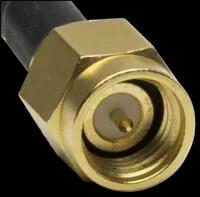
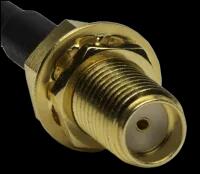
You might wonder how reverse polarity connector types became so common. This is a result of the FCC (Federal Communications Commission) introducing regulations for low-power non-licensed transmitters, which are commonly known as Part 15 transmitters. Twenty years ago, the FCC in the U.S. introduced the practice of using [unique connectors" (that is, connectors that are not a standard part at electronics stores). The theory behind this practice was that it would be difficult for someone to purchase and attach a non-certified antenna to a device.
In the past two decades, however, the practice of using [unique connectors" has become commonplace, which has led to the proliferation of reverse polarity connector types. So, let`s sort them out.
Gender and Polarity. When you're trying to indentify male and female connects,you may findit helpful to keep in the mind the following:
When mating a plug and a jack, it is important to ensure that both connectors have the same polarity. For example, the plug and jack should both be RPSMA.